Phone: +86 18966915318
E-mail: sales05@nutritionoem.com
Add: Room 815, Unit 1, Building 1, Zhongjian Caizhi Plaza, Mingguang Road, Yuanding Road, Economic And Technological Development Zone, Xi'an, Shaanxi, China
What are health supplements?
What are Health Supplements?
Dietary supplements (or health supplements) are often collectively referred to as "health products" or "nutritional supplements" in Chinese. According to the official definition of the U.S. Food and Drug Administration (FDA), dietary supplements are orally administered products intended to supplement or improve deficiencies in a daily diet. They typically contain one or more of the following "dietary ingredients":
- Vitamins: such as Vitamin C, Vitamin D3, and B-complex vitamins.
- Minerals: such as calcium, iron, zinc, magnesium, and selenium.
- Herbal and Botanical Extracts: such as curcumin, ginseng, milk thistle, and fig extract.
- Amino Acids: such as branched-chain amino acids (BCAAs) and L-glutamine.
- Probiotics and Enzymes: such as probiotics, coenzyme Q10, and digestive enzymes.
- Other metabolites/concentrates: such as deep-sea fish oil (Omega-3) and phosphatidylserine (PS).
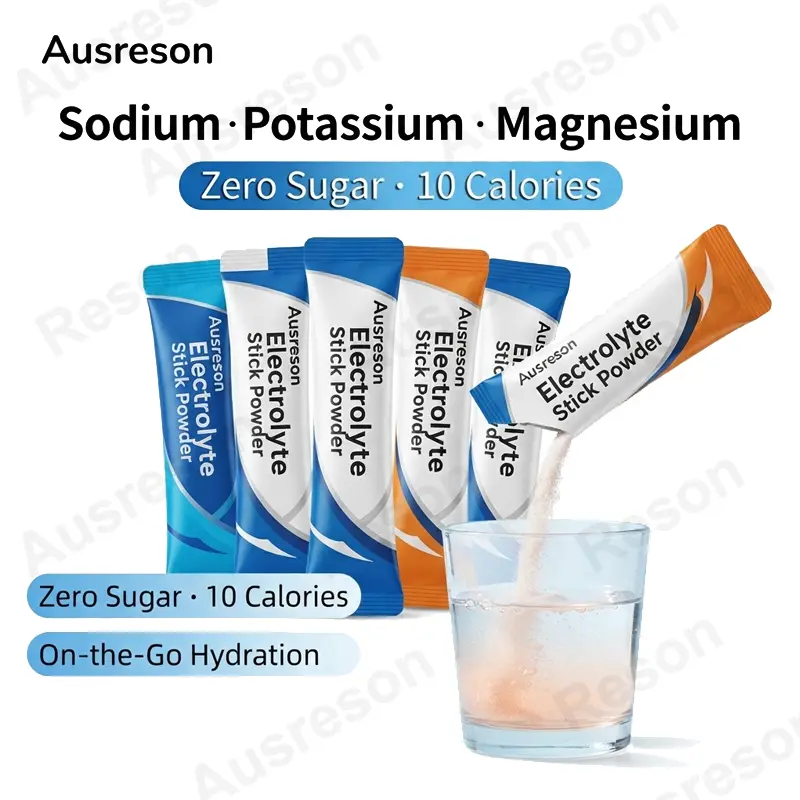
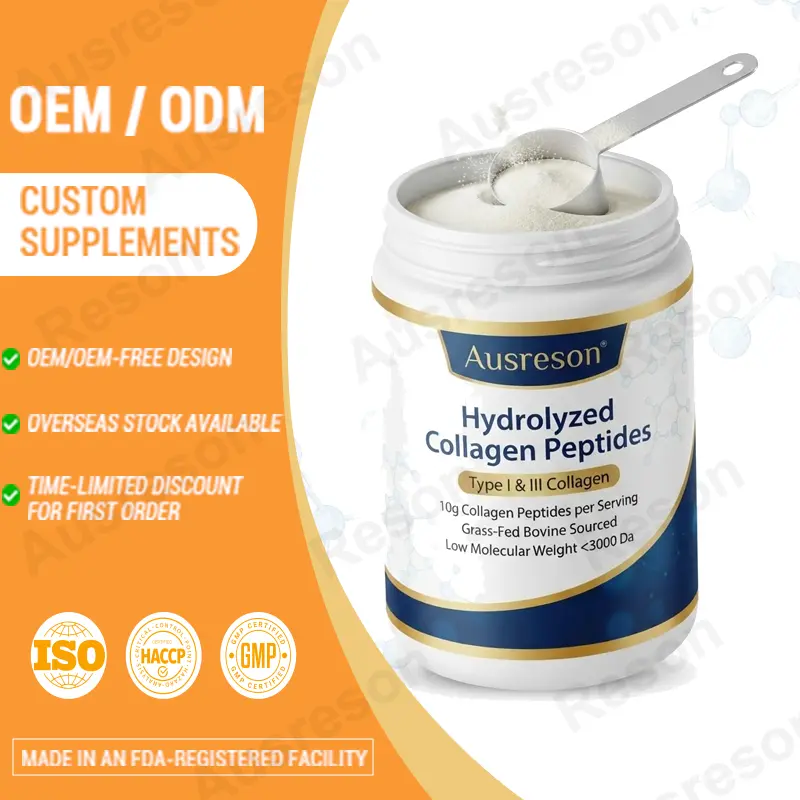
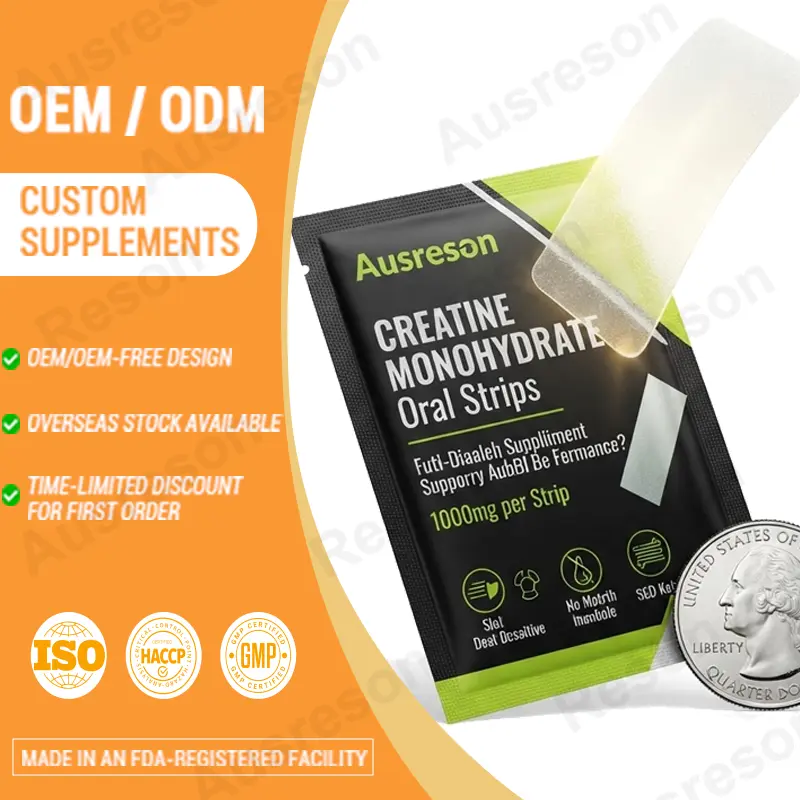
Dietary supplements come in a wide variety of forms, commonly including tablets, capsules, softgels, powders, liquids, and gummies.
Who really needs dietary supplements?
Following the "Food First" principle is a fundamental principle of nutrition. A balanced diet should be the primary source of nutrition, but supplements have clear scientific support in the following specific life stages or special circumstances:
Pregnant women and women planning to conceive: Need additional folic acid (to reduce the risk of neural tube defects in the fetus), as well as iron and calcium.
Elderly individuals (over 50 years old): With declining absorption capacity, older adults often need additional vitamin B12 and vitamin D3 + calcium to maintain bone and nerve health.
Vegans: Plant-based diets are unlikely to provide sufficient amounts of vitamin B12, Omega-3 (EPA/DHA), and active iron.
Insufficient sunlight or indoor workers: People who lack long-term outdoor sunlight are prone to vitamin D deficiency.
Patients with certain digestive system diseases: Such as those with enteritis, post-gastrectomy, or other conditions affecting nutrient absorption.
4 Steps to Choosing Supplements
Faced with a dazzling array of nutritional supplements, how can you ensure you "buy the right ones and consume them safely"?
1. Check the "Supplement Facts"
Confirm the serving size and percentage of each ingredient (DV%). Avoid blindly pursuing excessively high doses. Excessive water-soluble vitamins can be excreted, while excessive accumulation of fat-soluble vitamins (such as vitamins A, D, E, and K) may lead to toxicity.
2. Look for authoritative third-party certification marks
Don't blindly trust brand advertising. Prioritize looking for the stamps of independent third-party testing organizations on the packaging (such as USP Verified, NSF International, or ConsumerLab). These certifications ensure that the product ingredients match the label and are free of heavy metals or harmful residues.
3. Be aware of potential drug interactions
Dietary supplements contain bioactive ingredients that may alter the metabolic rate of prescription drugs. For example, vitamin K can reduce the effectiveness of anticoagulants (warfarin); high doses of calcium/iron can affect the absorption of thyroid hormone tablets.
4. Follow the "Single Item Addition/Reduction" Principle:
When initially supplementing, avoid opening 5-6 compound products simultaneously. Add only one new product at a time and observe for 1-2 weeks for any allergic reactions or discomfort to ensure accurate tracing.
Ordinary Food vs. Dietary Supplement vs. Medication/Drug
| Dimension | Ordinary Food | Dietary Supplement | Medication / Drug |
|---|---|---|---|
| Core Purpose | Supply calories, macronutrients and satiety | Compensate insufficient dietary intake, support general health maintenance | Diagnose, treat, relieve or prevent specific diseases |
| Ingredient Concentration | Baseline nutritional concentration | High-concentration targeted active ingredients | Strictly dosed pharmaceutical active compounds |
| Permitted Claim Statements | No health benefit claims allowed | May state structural/functional support (e.g., support bone health) | Explicit claims for treating or preventing specified diseases |
| Market Approval Rules | Governed by general food safety standards | Manufacturers bear full liability for safety & authenticity; regulators conduct post-market random inspections | Mandatory strict Phase I-III clinical trials plus pre-market regulatory approval |
Frequently Asked Questions (FAQ)
Q1: Can I take dietary supplements every day?
A: It depends on the specific type and your intake. Excess water-soluble vitamins (such as Vitamin C and B complex) are excreted in urine, but long-term excessive intake of fat-soluble vitamins (such as Vitamins A, D, E, and K) and heavy metal minerals (such as iron and zinc) can increase the burden on the liver and kidneys. It is recommended to take them according to the Recommended Daily Allowance (RDA).
Q2: Are naturally extracted products always better than chemically synthesized ones?
A: Not necessarily. From a biochemical perspective, many purified active molecules (such as synthetic Vitamin C and natural Vitamin C) have the same molecular structure, and their absorption and utilization rates in the human body are almost identical. The key lies in product purity and process stability, rather than simply pursuing the concept of "all-natural."